The Perfect Potted Garden For Any Home

Potted Gardens have always been a wonderful way to decorate a stoop or paved area and their popularity in recent years has grown. This is because of the increase in housing developments and gated communities where the space offered to people to use for their gardens has become smaller and smaller, with many people only having access to a small paved area or a balcony, making a traditional garden with flower beds not practical or ever possible.

A Matter of Space

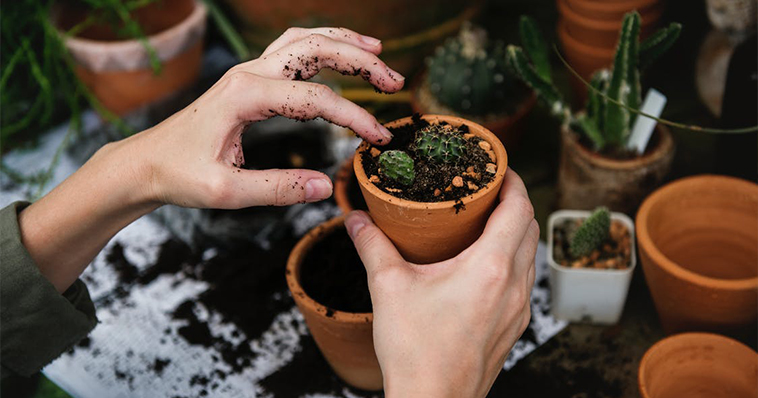
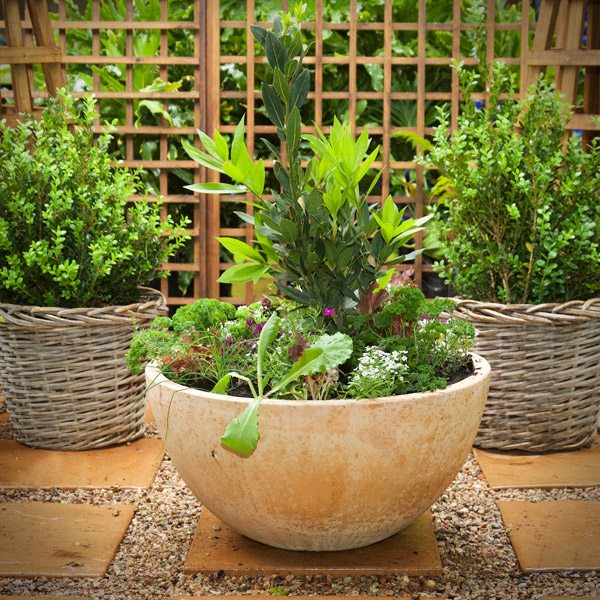
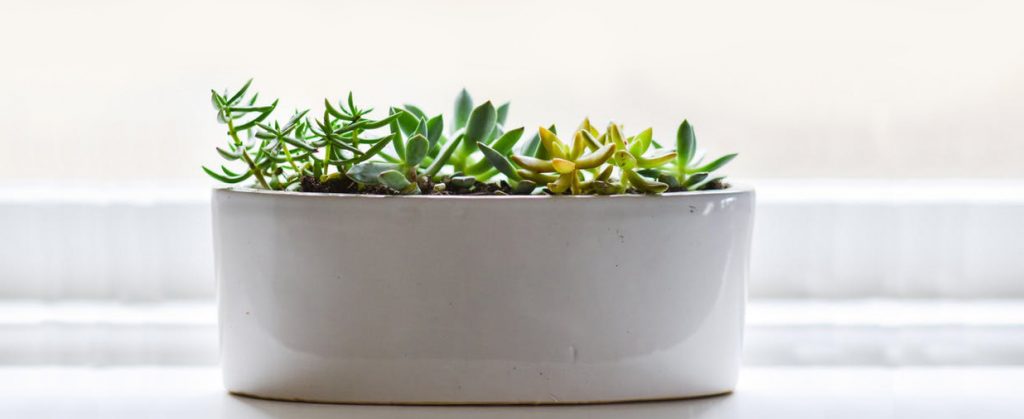
Using containers to hold plants is a great way to overcome restrictions of space or if you have a limited amount of garden beds available to use. Almost anything can be grown in a pot and a simple small succulent or herb plant in a container could be called a potted garden, but in truth to be truly considered a garden you will need to invest in more then just one little plant to make it truly spectacular and a pleasure to tend, keep and grow.

What makes container gardening so popular, other then their practicality in regards to available space, is their ability to offer you a way to build the garden to suit your needs, tastes and plants, as well as your budget, as you can add to them as you want and change them seasonally if you like. Gardening in pots give you the ability to manage every element, from the plants you grow, to the availability and quality of growing material, to the amount of sun and water that is on offer, and by following a few tips you can get a truly perfect garden, no matter how much space you have available.

When you start to plant your potted garden it is important to always keep the amount of space that you have at your disposable in mind. Whether you are planning to line your driveway with pots, want to add colourful pot plants to your small complex belcony, braai area, or intend to have an interior garden, it is important that you plan the containers you wish to use in relation to the space you have.

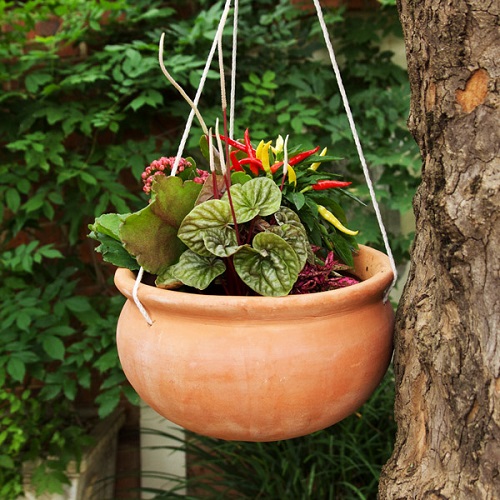
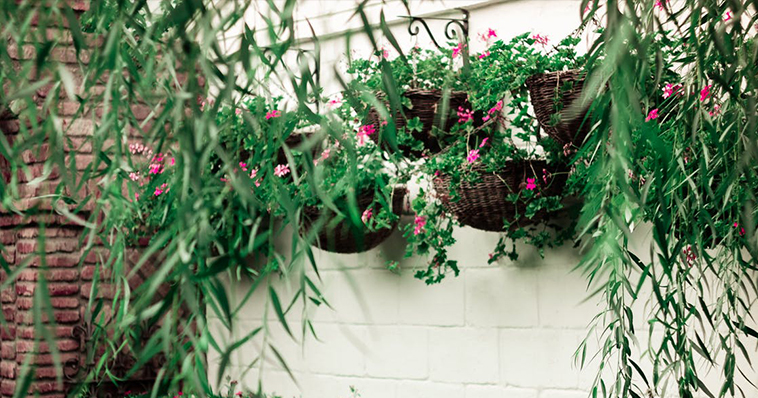
Plan how much of the area you want to be taken up by your pots and keep in mind how much walking room you want between the containers. The height of your pots should also be considered as you can use different elevations to create terraces of plants. If you have a roof above your potted garden, then you can also consider varieties of hanging pots to allow you to take advantage of the many types of plants that look lovely growing and hanging down from elevated containers.

Besides the physical area that you want to use to house the containers that will hold your various plants, you also need to keep the pot sizes in mind. Various types of plants will grow to different sizes and depending on the varieties that you choose you will need to accommodate the pot accordingly to allow room the plant needs to grown. It is always a good idea to choose the size of the container in relation to the expected mature height of the plant and how the particular variety likes to spread. A good rule for aesthetics is that the container should be two-thirds the size of your plant as this will ensure that the plant does not look too heavy in relation to the pot and it allows ample room for the roots to spread out in order for your plant to grow healthy and strong.

Food, Light and the Right Amount of Water

You must use a good quality potting mix for your containers and not simply garden soil or compost. This is because your growing material is contained within a limited space so you need to ensure that it will provide good nutrients that are ideal for your plants and which will not chemically burn them if they are too concentrated with the confined soil. Regular garden soil will also become too compacted within a container, making it difficult for roots to grown and the proper moisture to be contained within the pot. There are a great variety of potting soils on offer at garden centres, and if you are unsure of what to choose, you can always ask the advice of an expert gardening consultant to help you find the perfect match to keep your plants healthy and which well ensure that they will get the right of nutrients to grown lush.
When planning your potted garden, you should be aware of the amount of light it will get throughout the day. Whether it is in full sun, partly shaded by a roof or held indoors, the varieties of plants you choose should depend on the heat and sunlight they will need to endure. It is important to also note that pots tend to absorb heat and they retain their warmth longer, so choose plants that can cope with these conditions. If you feel your garden is getting too much sun for the plants you wish to have, then consider moving it to another spot or adding screens to shield them during the hotter parts of the day. You can also use elevated pots with hardier plants to provide shade and help protect the more delicate varieties.
Your potted garden will also be very dependant on you to monitor that it gets the right amount of water. Even if your containers are exposed to natural rain, potted soil tends to dry out quicker then garden beds due to the combination of limited space and the retention of heat by the containers. Plants in containers are also at risk of exposure to over moister retention which can cause their roots to rot or the plant to drown. Containers must always have drainage holes to ensure excess moisture can run out, and it is a good idea to place gravel or pebbles in the bottom of containers before adding the potting soil to ensure that the roots will never sit in water.

Keeping Good Neighbours

What makes a potted garden such a wonderful thing to cultivate is that it offers you the opportunity to truly diversify the plants you want to grow. It is also easy to change out dying plants or ones that are not doing that well with others. And with almost anything being able to be grown in a pot, the possibilities seem almost endless to create a truly unique garden to suit your preferences.

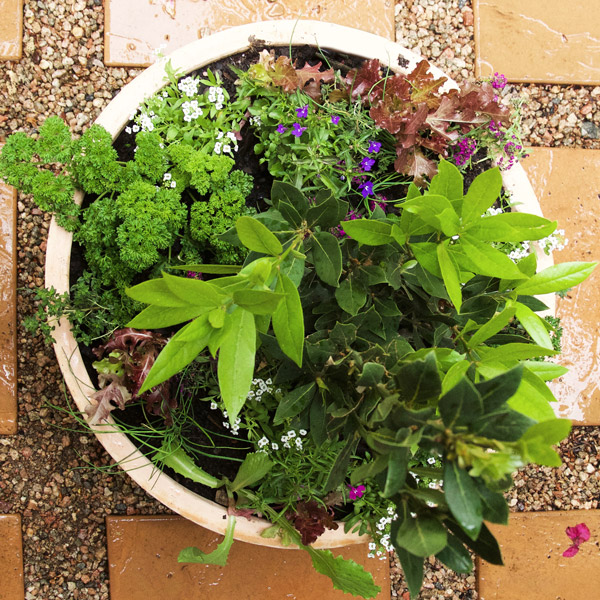
However, it is important to consider the individual needs of each of the species that your containers hold. In a garden with beds, it is easier to have plants with different requirements as they have more space and will be less dependant on you for all their needs. However, when planning your containers you need to choose varieties of plants that enjoy the same growing conditions, light and water and plant these together or place their containers in the same spot. This will make sure that you can more easily care and monitor your plants, and make it less likely that you will over or under water containers by accident. However always make sure to leave plenty of room between plants so that they will not compete for nutrients and space, and be careful with creepers or more lush varieties that might overwhelm their less aggressively growing neighbours.

Not Just For Flowers

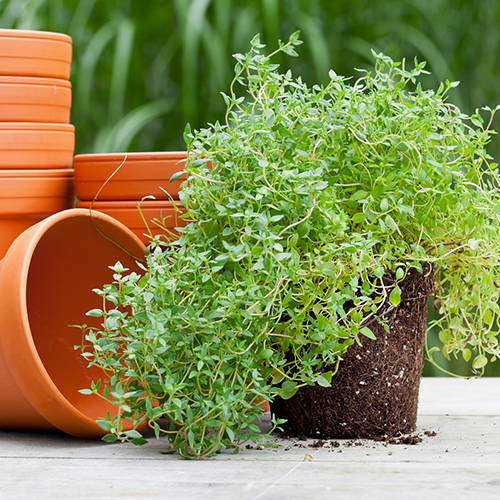
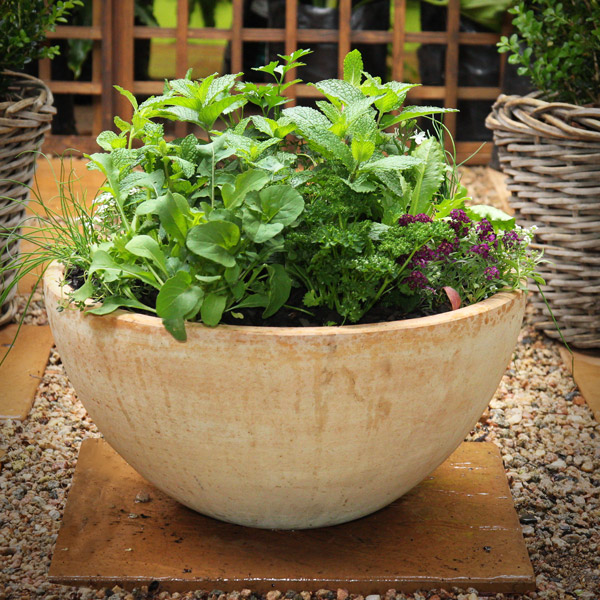
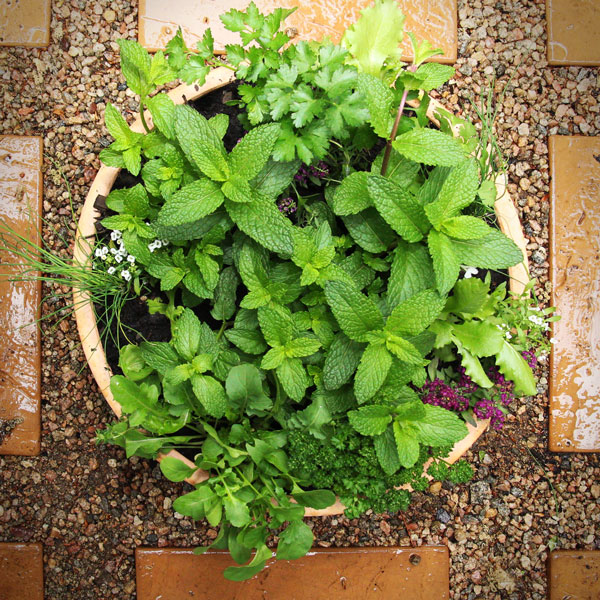
Potted gardens are great to create spectacles of colour through a wonderful variety of different flowing plants, but they are also a way to have vegetable and herb gardens, especially if you live in an urban area and do not have the space for a more traditional veggie patch or kitchen garden, and most vegetables actually thrive when grown in containers.
By picking the right types of herbs and vegetables, it is possible to grow a fair amount of food for you and your family members to enjoy the flavour, freshness and sense of achievement you get from growing your own food. People often worry that they need to buy special containers or that a vegetable garden will take more effort than other potted gardens. This is not the case, in fact, growing vegetables is considered by many easier than caring for flowering plants as they require less daily care as veggies and herbs are more forgiving than other delicate plants.
Herbs and vegetables grown in containers thrive as they are more protected from the elements, and you can perfectly match the container, soil and water to the needs of the plant you have chosen and they will also be at less of a risk from damage by the elements and garden pests. Vegetable and herb plants will also reward you with more than just delicious things to eat, as certain varieties can create beautiful lush greenery and their own flowers, making them also as lovely to display as any potted flower garden.